

Tag: Maharaja Hari Singh

Home » Maharaja Hari Singh
The 1947 Forced Migration of Muslims from Jammu: Displacement and Demographic Change
Post

The 1947 Forced Migration of Muslims from Jammu: Displacement and Demographic Change

The forced migration and displacement of Muslims from Jammu in November 1947 remains one of the painful and less-documented chapters of the Partition of British India.

In this research-based article, Laiba Tariq examines the human cost of the tragedy, demographic changes, historical controversies and the importance of preserving survivors' testimonies.
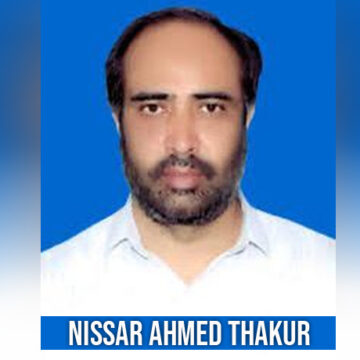
The Great Slaughter
Post

The Great Slaughter

In The Great Slaughter, Nisar Ahmed Thakur examines the 1947 Jammu massacre, presenting historical accounts of mass killings, forced displacement and violence against Muslim communities during the turbulent period following the Partition of British India.

The article also explores the alleged political dimensions of the tragedy, the suffering of abducted women and the historical records surrounding one of the least-discussed episodes of Kashmir's history.

The Blood of November: Jammu’s Forgotten Tragedy of 1947
Post

The Blood of November: Jammu’s Forgotten Tragedy of 1947

Nearly eight decades after the Jammu Massacre of 1947, questions surrounding the killings, displacement and lack of institutional accountability remain unresolved. Mehr un Nisa Rehman examines historical records, survivor testimonies and the urgent need for an independent investigation.

The article highlights the importance of preserving archival evidence, documenting survivors' experiences and establishing an authoritative historical account of one of the most painful episodes of Partition.

The Forgotten Holocaust: The 1947 Jammu Massacre and the Architecture of Erasure
Post

The Forgotten Holocaust: The 1947 Jammu Massacre and the Architecture of Erasure

The 1947 Jammu Massacre remains one of the most contested and painful chapters in the history of Jammu and Kashmir, marked by accounts of mass killings, forced migration and demographic change.

In this historical analysis, Shahzia Ashraf examines the alleged role of state authorities and armed groups, the legacy of the tragedy and the importance of historical recognition.

Jammu, 1947: Massacre, Dispossession and an Unfinished Conflict
Post

Jammu, 1947: Massacre, Dispossession and an Unfinished Conflict

The Jammu Massacre of 1947 remains one of the most painful and contested chapters of Partition history, marked by mass killings, forced displacement and the destruction of communities.

Altaf Hussain Wani examines historical evidence, the demographic consequences and the lasting impact of the tragedy on the people of Jammu and Kashmir.

The Accession That Left Kashmir’s Future Unsettled.
Post

The Accession That Left Kashmir’s Future Unsettled.

Nearly eight decades after 27 October 1947, the political future of Jammu and Kashmir remains disputed, with questions of self-determination, human rights and international commitments still unresolved.

On Kashmir Black Day 2026, Mehr un Nisa examines the historical events, UN resolutions and continuing search for a peaceful and just settlement.

Bigwigs behind Kashmir skullduggery
Post

Bigwigs behind Kashmir skullduggery

A historical analysis of the political manoeuvres surrounding Jammu and Kashmir in 1947, India’s military intervention on October 27, and the controversy over the state’s accession. The article examines the unfulfilled UN-backed plebiscite and its continuing significance in the Kashmir dispute.

The Instrument of Accession: The Duress Question.
Post

The Instrument of Accession: The Duress Question.

Lord Mountbatten’s 1947 letter and the Instrument of Accession remain central to the Kashmir dispute. This analysis examines the promised public vote, competing legal interpretations and the unresolved questions surrounding Kashmir’s accession to India.

You cannot copy content of this page