

Tag: 1947 Jammu Massacre

Home » 1947 Jammu Massacre
The Count That Was Never Taken: What the 1947 Record Says About Jammu
Post

The Count That Was Never Taken: What the 1947 Record Says About Jammu

Seventy-nine years after the 1947 Jammu massacre, the number of Muslim victims, displaced families and missing persons remains disputed due to the absence of an official historical investigation.

Muhammad Waleed Akhtar examines historical records, eyewitness accounts and the unanswered questions surrounding one of the darkest chapters in Jammu's history.
‎The bloodbath of Muslims in 1947 was no less than a holocaust: National Front
Post

‎The bloodbath of Muslims in 1947 was no less than a holocaust: National Front

The Jammu Kashmir National Front has described the 1947 massacre of Muslims as no less than a holocaust, alleging that hundreds of thousands of men, women and children were killed and nearly half a million Muslims were forced to migrate to Pakistan.

The organisation has also raised concerns over the revocation of Articles 370 and 35-A and urged the international community to take notice of developments in Kashmir.

The Great Slaughter
Post

The Great Slaughter

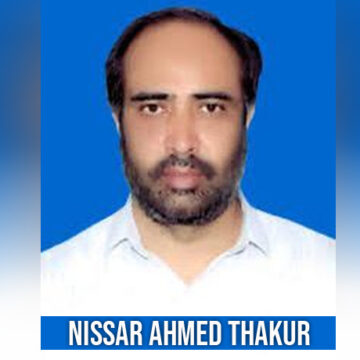
In The Great Slaughter, Nisar Ahmed Thakur examines the 1947 Jammu massacre, presenting historical accounts of mass killings, forced displacement and violence against Muslim communities during the turbulent period following the Partition of British India.

The article also explores the alleged political dimensions of the tragedy, the suffering of abducted women and the historical records surrounding one of the least-discussed episodes of Kashmir's history.

The Forgotten Holocaust: The 1947 Jammu Massacre and the Architecture of Erasure
Post

The Forgotten Holocaust: The 1947 Jammu Massacre and the Architecture of Erasure

The 1947 Jammu Massacre remains one of the most contested and painful chapters in the history of Jammu and Kashmir, marked by accounts of mass killings, forced migration and demographic change.

In this historical analysis, Shahzia Ashraf examines the alleged role of state authorities and armed groups, the legacy of the tragedy and the importance of historical recognition.

You cannot copy content of this page